
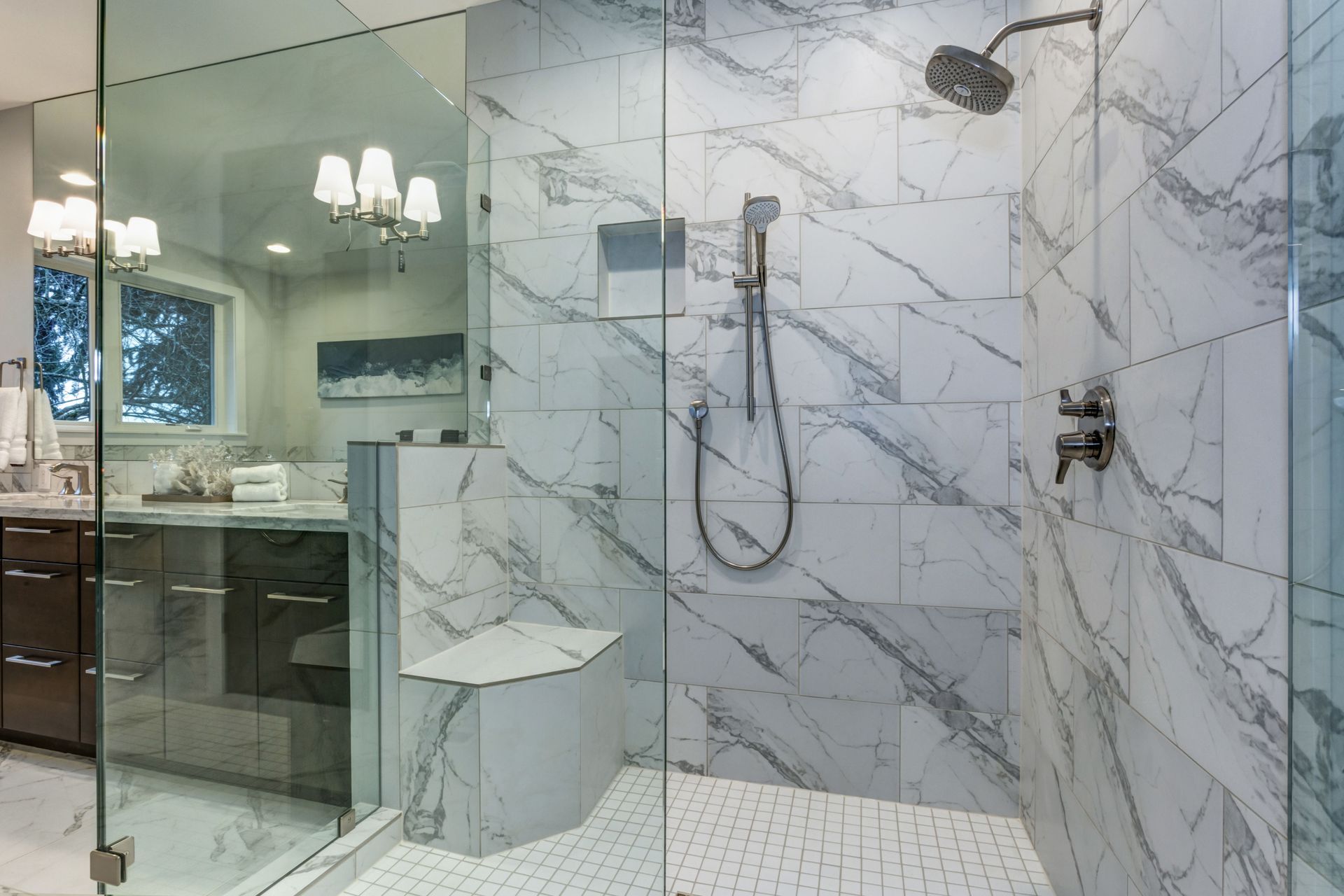
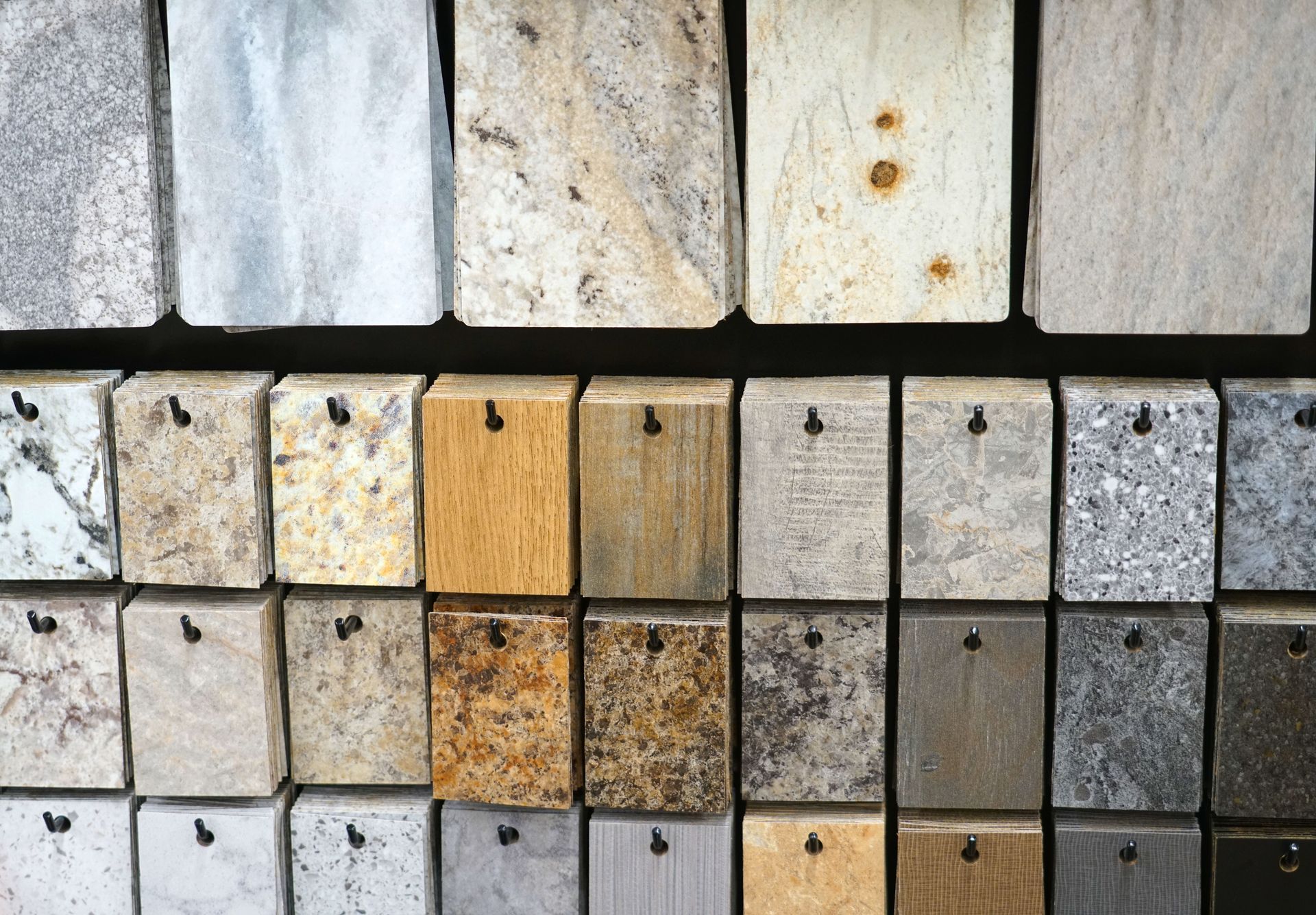
Selecting the perfect surface materials for a home renovation project can be a complicated process, especially when balancing aesthetic goals with performance needs. When property owners collaborate with a kitchen and bathroom tile store, they gain access to specialized support that simplifies these important choices. From the initial layout concepts to long-term care recommendations, dedicated specialists guide clients through every phase of the material selection process. This collaborative dynamic ensure that every installation achieves a perfect harmony between eye-catching visual appeal and everyday utility, transforming standard living spaces into tailored personal environments. Analyzing Household Requirements The selection process begins with a comprehensive consultation designed to clarify the scope, functional priorities, and aesthetic goals of the renovation. When homeowners visit a local kitchen and bathroom tile store, they often have general ideas but need professional assistance to translate those thoughts into a cohesive blueprint. Specialists gather essential data regarding room dimensions, existing architectural styles, and potential structural challenges. This dynamic interaction establishes a clear trajectory for the project, confirming that every proposed surface material aligns seamlessly with the structural demands of the room. Assessing Daily Interactions Evaluating the lifestyle and traffic patterns of a household is a crucial element when choosing practical surface materials. Specialists look beyond mere appearances to analyze how a space will be utilized on a daily basis. For example, a home with small children or pets requires surface materials that provide exceptional slip resistance and scratch durability, whereas other households might prioritize rare textures and luxury finishes. By examining factors such as moisture exposure, foot traffic, and routine cleaning preferences, professionals help clients narrow down options that support the physical demands of their unique households. Balancing Project Investments Budgetary constraints are an integral consideration in any home improvement project, and industry specialists excel at maximizing the value of every dollar spent. During discussions at a kitchen and bathroom tile store, consultants work directly with clients to establish comfortable spending parameters while maintaining high standards of quality. They offer transparent pricing structures and can suggest innovative, cost-effective design alternatives that mimic premium materials without the premium price tag. This strategic approach allows homeowners to make confident purchasing decisions without exceeding their pre-determined financial boundaries. Evaluating Material Categories Navigating the diverse marketplace of interior surfaces requires a deep understanding of structural compositions and manufacturing methods. Representatives at a kitchen and bathroom tile store educate visitors on the operational distinctions between ceramic, porcelain, natural stone, and glass options. Understanding these variations ensures that homeowners do not select materials solely based on appearance, but rather on how well those compositions perform over time. According to WifiTalents, if cared for properly, ceramic tile can last 50 years, making it an incredibly durable option for high-traffic residential areas. Reviewing Surface Characteristics The inherent physical attributes of a surface material dictate how it responds to environmental factors like humidity, heat, and impact. Professionals explain the positive and negative traits associated with matte, polished, or heavily textured finishes, explaining how these surfaces change the ambient light and spatial perception of a room. This comprehensive breakdown covers critical performance metrics, including water absorption rates and stain resilience, allowing buyers to select options that look beautiful and remain pristine under specific environmental conditions. Coordinating Room Aesthetics Color palettes and structural textures are fundamental tools for establishing the atmospheric mood of a kitchen or master suite. Staff members at a kitchen and bathroom tile store assist clients in coordinating new surfaces with existing cabinetry, countertops, and hardware. They explain how specific color temperatures can alter the perceived dimensions of a room, noting that lighter tones expand tight layouts while darker choices provide comforting depth. By providing physical samples, these coordinators help clients visualize the final installation under different lighting conditions. Verifying Technical Guidelines Physical proportions, thickness, and slip ratings are technical specifications that directly impact the safety and balance of a room. Specialists decode these complex industrial ratings for consumers, ensuring that the selected products are rated appropriately for their intended applications. Large-format slabs might be recommended to minimize grout lines in an expansive shower, while mosaic layouts could be suggested for contoured shower floors to increase traction. This technical oversight prevents hazardous material mismatches and ensures compliance with local building standards. Planning Installation Procedures Achieving a flawless final appearance depends heavily on utilizing correct installation methods and compatible setting materials. Specialists offer crucial advice regarding substrate preparation, subfloor leveling, and the specific adhesives required for different material backings. They outline the functional differences between various grouts and sealants, ensuring that moisture-prone areas receive maximum protection against water penetration. This proactive education helps property owners minimize installation errors, whether they are working with independent contractors or managing the installation independently. Preserving Long-Term Durability Once a renovation is finished, implementing appropriate maintenance habits is key to protecting the aesthetic and structural integrity of the surfaces. Showroom professionals provide clients with custom care guides that highlight safe cleaning solutions and warn against abrasive chemicals that can etch delicate glazes. Regular sealing intervals for natural stones are discussed openly, ensuring that homeowners understand the long-term commitments required to keep their surfaces immaculate. This ongoing support helps preserve the original color and texture of the materials for decades. Developing Customized Layouts Personalized design strategies allow homeowners to break away from generic layouts and create distinctive interior focal points. Consultants utilize their spatial experience to design custom patterns, such as herringbone configurations, offset running bonds, or intricate borders that highlight specific architectural features. By strategically integrating accent pieces and contrasting textures, they turn ordinary walls and floors into expressions of personal style, ensuring that the finished layout feels unique to the homeowner's lifestyle. Utilizing Planning Software Modern digital tools have revolutionized the way homeowners plan and finalize their interior remodeling projects. Staff at a kitchen and bathroom tile store utilize advanced rendering software to generate realistic three-dimensional previews of a redesigned space. Homeowners can experiment with different layout directions, grout colors, and accent heights before placing a material order. This digital verification step eliminates guesswork, streamlines communication between all parties, and gives buyers total confidence in their final material selections. Integrating Current Movements Staying informed about evolving global design movements allows property owners to create spaces that feel both contemporary and timeless. Showroom guides constantly monitor emerging styles, bringing cutting-edge materials, unique shapes, and innovative textures to the attention of their clients. Whether integrating biophilic elements through earthy stone lookplates or utilizing geometric patterns for a modern backsplash, these professionals help homeowners merge contemporary design trends with long-term functionality. Supporting Project Coordination Successful project outcomes require open communication between material suppliers, property owners, and installation crews. Showroom coordinators help bridge this gap by providing clear product documentation, exact measurements, and layout diagrams directly to the installation professionals. They remain available to answer structural questions that may arise on the job site, ensuring that the physical application matches the approved design concept. This collaborative oversight minimizes construction delays and streamlines the entire workflow. Managing Delivery Timelines Delivering materials on schedule is vital for keeping an interior renovation moving forward without costly interruptions. Professionals assist clients in mapping out realistic construction schedules, factoring in lead times for specialty imports or custom orders. They monitor supply chains, coordinate shipping logistics, and provide transparent tracking updates so that installation teams know exactly when materials will arrive. This organized approach keeps projects running efficiently and reduces stress for the homeowner. Confirming Product Coverage Understanding product protections and material coverages gives consumers invaluable peace of mind when investing in premium home surfaces. Specialists at a kitchen and bathroom tile store explain the specific terms, limitations, and documentation required to maintain manufacturer protections over time. They clarify how proper installation techniques and certified setting materials impact these coverages, ensuring that homeowners possess all the necessary insights to protect their investments against unforeseen material issues. Engaging with dedicated showroom staff transforms an overwhelming renovation project into a structured and rewarding experience. These professionals provide the technical insights, creative layout strategies, and material management required to bring distinctive interior visions to life. Homeowners can explore an extensive collection of premium surfaces and receive personalized design guidance by scheduling a showroom visit with La Casa Tile & Flooring.
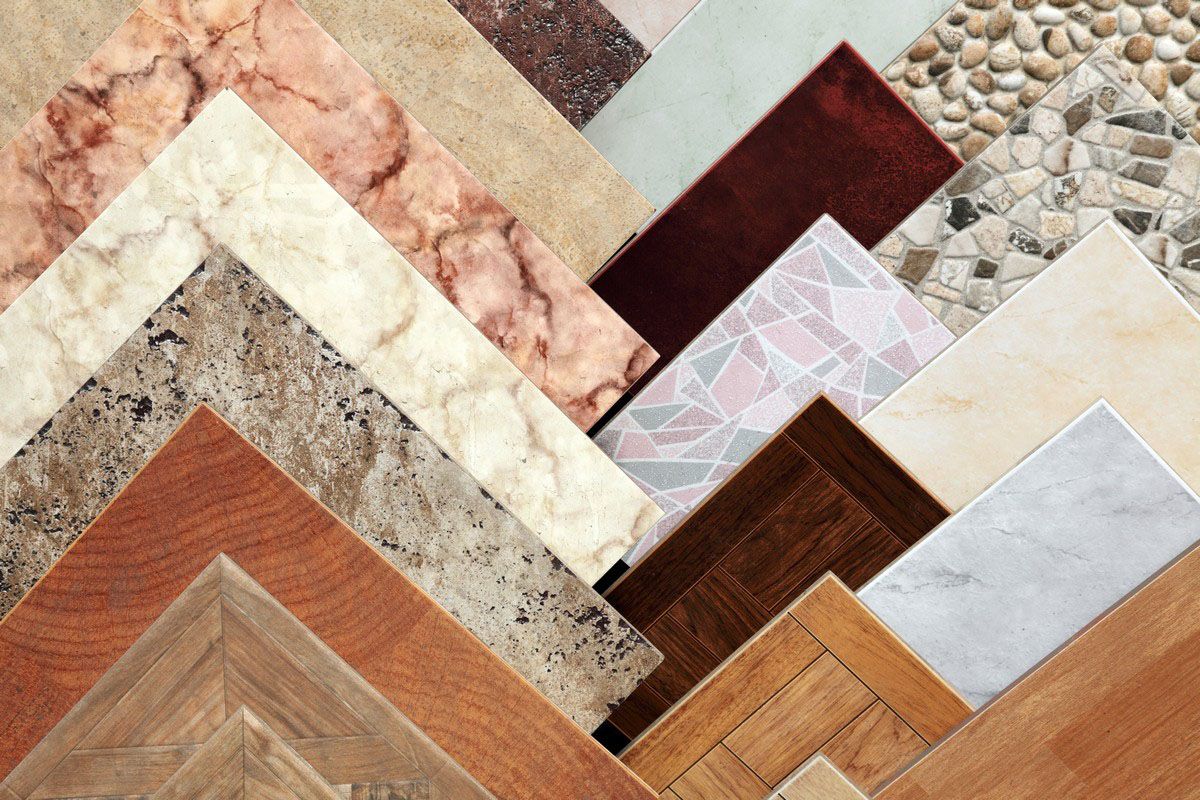
Stepping into a premier design space transforms the renovation process from a chore into a curated experience. For homeowners and architects alike, the right local partner provides more than just materials; they offer a vision of permanence and elegance. Discovering a luxury stone tile and flooring showroom allows you to witness how superior craftsmanship meets personalized service within your own community. This local presence simplifies the logistical path toward a more refined and sophisticated home environment. Curating a Rare Collection of Global Materials The most distinguished luxury stone tile and flooring showroom prioritizes a collection that cannot be found in standard retail outlets. These spaces source exotic marbles, rare limestones, and artisanal ceramics directly from prestigious quarries around the world. By focusing on exclusivity, they provide access to unique veining patterns and color palettes that define high-end residential aesthetics. Every slab represents a unique geological history that adds an incomparable layer of depth to any interior. Each slab or tile undergoes a rigorous selection process to meet the highest standards of geological integrity. This commitment to quality means the inventory reflects current global design trends while maintaining a timeless appeal. Visitors can explore textures and finishes that range from honed and tumbled to high-polish, providing a tactile experience that digital catalogs simply cannot replicate. High-definition photography often fails to capture the subtle crystalline structures that define premium natural stone. According to IMARC Group, 35.8% of the U.S. flooring market in 2024 was captured by resilient flooring options. While mass-market materials have their place, a high-end showroom focuses on the enduring beauty of natural stone and boutique fabrications. This specialization allows for a deeper exploration of authentic materials that increase the long-term value and character of a sophisticated interior space. Authentic stone provides a sense of permanence that synthetic alternatives rarely match in prestige or longevity. Providing Expert Design Guidance and Vision Navigating the complexities of high-end materials requires a level of expertise that goes beyond basic sales. A premier luxury stone tile and flooring showroom employs design consultants who understand the architectural nuances of luxury homes. These professionals assist in translating a conceptual mood board into a cohesive reality through material pairing and layout optimization. Their involvement helps bridge the gap between abstract inspiration and a functional architectural plan. Consultants in these environments possess an intimate knowledge of how different stones react to light and moisture. They provide valuable insights into the structural requirements of large-format tiles or the intricate patterns of custom mosaics. This level of professional oversight helps prevent aesthetic clashes and technical oversights during the planning phase of a significant renovation project. Understanding the porosity and density of various stones is vital for maintaining the beauty of the installation over time. The synergy between a client and a design specialist fosters a creative atmosphere where bold ideas take shape. Whether the goal is a minimalist sanctuary or a grand traditional foyer, the guidance provided is always bespoke. By integrating technical knowledge with artistic flair, the showroom becomes a vital resource for achieving a polished and professionally executed final result. Expert advice often leads to innovative material applications that a homeowner might not have initially considered. Delivering Unique Layout and Customization Services Standardized solutions rarely suffice in the world of high-end design, where every inch of a room matters. A local luxury stone tile and flooring showroom distinguishes itself by offering custom fabrication and intricate layout services. From water-jet cut patterns to custom-sized slabs for seamless transitions, the ability to tailor products to specific dimensions is a hallmark of luxury. This level of precision allows for the realization of complex architectural drawings without compromise. Customization extends to the fine details of edge profiles, mitered joints, and decorative inlays that elevate a project. These services allow for a level of personalization that makes a home truly unique to its owner. Having access to onsite or closely affiliated fabrication experts means that complex geometric designs and artistic medallions are executed with surgical precision. Even the most subtle variations in a bullnose edge can significantly alter the tactile feel of a stone surface. This focus on bespoke services eliminates the limitations of off-the-shelf products and promotes creative freedom. Designers can specify exact finishes that harmonize with cabinetry, wall treatments, and lighting fixtures. The result is a highly synchronized interior where the flooring and wall tiles serve as the foundational masterpieces of the overall architectural composition. Tailored dimensions mean that the natural patterns in the stone can be book-matched or aligned for maximum visual impact. Offering Direct Access to Local Technical Knowledge A significant advantage of visiting a luxury stone tile and flooring showroom locally is the wealth of regional expertise available. Local professionals understand the specific climate conditions and architectural styles prevalent in the area. This knowledge is crucial when choosing stones that need to withstand local humidity levels or temperature fluctuations throughout the seasons. Regional geology and atmospheric conditions play a surprisingly large role in the long-term performance of natural materials. Local showrooms also maintain strong relationships with the region’s most skilled installers and contractors. They understand the specific challenges of local building codes and residential structures, providing a streamlined path from selection to completion. This community-based intelligence helps maintain the integrity of the materials by facilitating proper handling and application techniques. Working with a team that knows the local infrastructure reduces the likelihood of unforeseen logistical complications. Proximity allows for a more hands-on approach during the selection process, where physical samples can be taken to the job site. Testing how a specific marble looks under the actual lighting of a kitchen or bathroom is an essential step in high-end design. This localized service model supports a more accurate and satisfying experience for the most discerning clients in the region. Seeing a sample in the context of the actual space provides the necessary confidence to proceed with large-scale orders. Cultivating an Immersive and Inspiring Atmosphere The physical environment of a luxury stone tile and flooring showroom is designed to stimulate the senses and inspire grander visions. Unlike warehouse settings, these galleries utilize sophisticated lighting and full-scale vignettes to showcase materials in situ. Walking through curated displays allows clients to visualize how different textures and scales interact within a finished room. A well-designed gallery functions as a living catalog of what high-end craftsmanship can achieve. An immersive showroom experience respects the time and taste of the visitor by offering a quiet, professional setting for decision-making. High-quality displays highlight the luminosity of natural quartz or the depth of hand-glazed terracotta. This refined atmosphere reflects the quality of the products themselves, setting a standard of excellence that carries through the entire design process. Thoughtful presentation allows the natural beauty of the stone to remain the primary focus of the visit. Maintaining a gallery-like environment encourages a slower, more thoughtful selection process that favors quality over convenience. Every display serves as a testament to what is possible when world-class materials meet expert design. This dedication to presentation reinforces the status of the showroom as a local landmark for luxury, artistry, and unparalleled home transformation. An inspiring physical space acts as a catalyst for creative breakthroughs in residential design. A local high-end showroom serves as the bridge between global luxury and personal expression. By combining an elite material selection with tailored design services, these spaces become indispensable for creating elevated living environments. Investing time in a luxury stone tile and flooring showroom provides the clarity and inspiration needed to achieve a truly remarkable home. Such a comprehensive approach to design helps turn an ambitious vision into a tangible and lasting reality. Experience the pinnacle of sophisticated design by visiting the La Casa Tile & Flooring showroom to discover the perfect materials for your next renovation project.
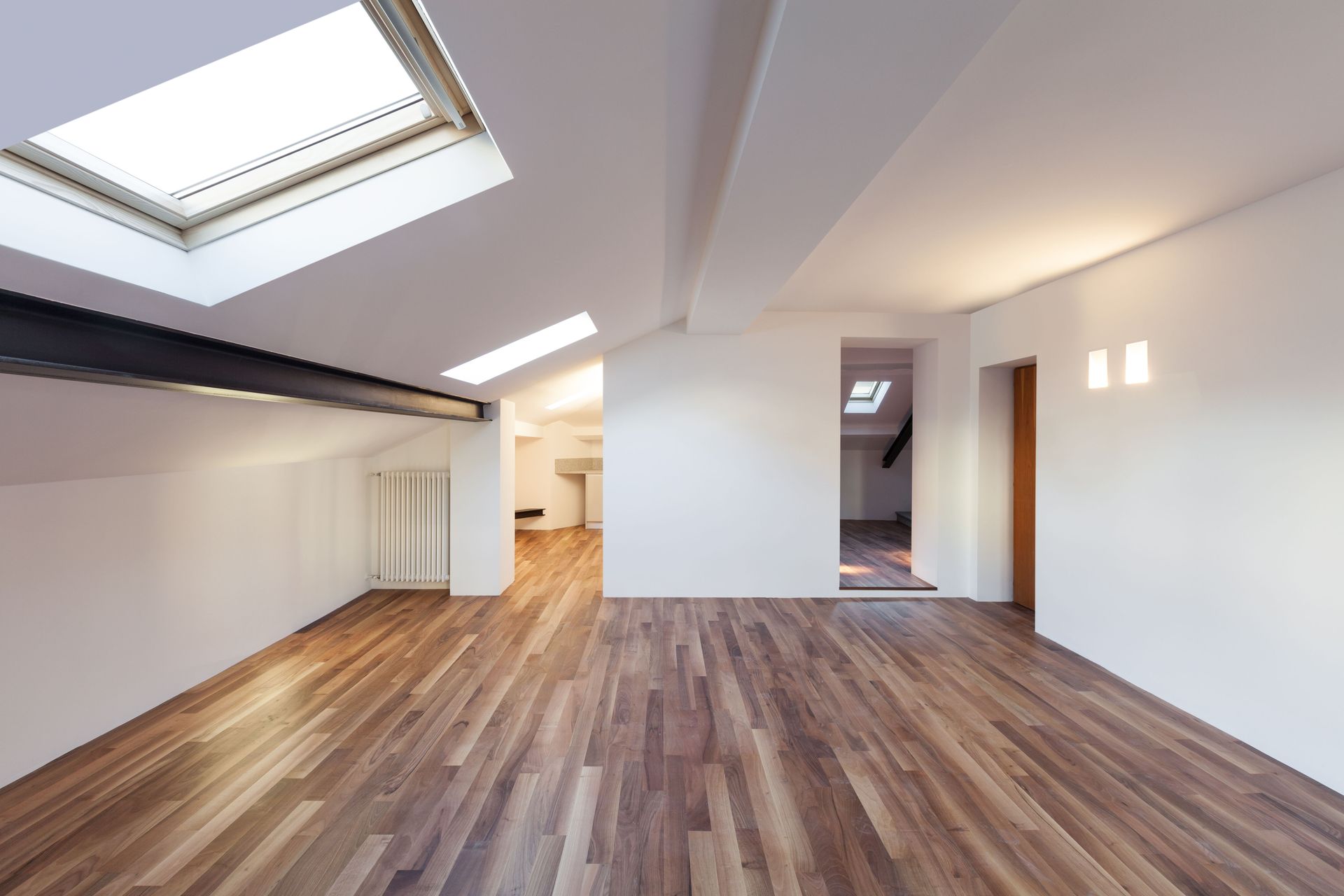
Wood flooring continues to be one of the most popular choices for homeowners who want a combination of natural beauty, durability, and long-term value. The warmth and character of real wood can transform the look and feel of a home, creating an inviting atmosphere that works well with a wide variety of interior styles. From traditional homes to modern living spaces, wood flooring provides a timeless foundation that rarely goes out of style. Many homeowners exploring wood flooring and hardwood floor installations are drawn to the material's versatility. Wood can be customized through different species, finishes, colors, and plank sizes to complement nearly any design vision. In addition to aesthetic appeal, wood floors can increase property value and are often easier to maintain than carpet or other soft flooring options. Understanding the different materials, preparation requirements, and installation considerations can make the decision process much easier. With the right information, homeowners can choose flooring that suits their lifestyle, complements their interior design goals, and provides reliable performance for many years. Understanding Wood Flooring Options Learning about the different types of wood flooring helps homeowners determine which material best fits their home and lifestyle. Solid hardwood is one of the most traditional and recognizable choices. Each plank is made from a single piece of wood, which allows the floor to be sanded and refinished multiple times over its lifespan. According to HomeAdvisor, solid hardwood floors can last up to 100 years with proper maintenance. Popular species such as oak, maple, and hickory offer varying grain patterns, hardness levels, and color tones that contribute to different design styles. Engineered wood flooring offers another popular option that combines the appearance of hardwood with additional structural stability. Engineered planks feature a real wood surface layer supported by multiple layers of plywood or fiberboard. This layered construction allows the flooring to better resist expansion and contraction caused by humidity changes. Because of this stability, engineered flooring can often be installed in areas where solid hardwood may not perform as well, including basements or spaces built on concrete slabs. Other alternatives, including bamboo or laminate products designed to mimic wood, may appeal to homeowners seeking different price points or environmental considerations. Each material provides its own balance of durability, appearance, and installation requirements. Understanding these options helps homeowners choose the best foundation for successful wood flooring and hardwood floor installations. Evaluating Room Conditions and Design Goals Selecting the right flooring also involves evaluating the specific needs of each room in the home. Areas with high levels of foot traffic, such as entryways and living rooms, typically benefit from harder wood species that resist dents and surface wear. Bedrooms and quieter living areas may allow for a broader range of wood choices because they experience less daily stress. Moisture levels also play an important role when deciding which flooring materials will perform best in certain spaces. Lighting conditions and room size can influence how wood flooring appears once installed. Lighter wood tones can make smaller rooms feel more open and bright, while darker stains create a rich and dramatic appearance in larger spaces. Grain patterns and plank widths also contribute to the visual effect. Wide planks often enhance contemporary layouts, while narrower boards or patterned installations can add classic character to traditional interiors. Homeowners planning wood flooring and hardwood floor installations should also think about how flooring connects from one room to another. Maintaining a consistent flooring style throughout main living areas can create a smooth visual flow, making the home feel more cohesive. When flooring choices align with decor, lighting, and architectural features, the finished space feels intentional and well-balanced. Preparing the Home for Installation Proper preparation is a crucial step in achieving successful flooring results. Before installation begins, the subfloor must be inspected carefully to ensure that it is level, dry, and structurally sound. Any uneven areas, moisture issues, or damaged materials should be addressed before new flooring is installed. Failing to prepare the subfloor correctly can lead to problems such as uneven boards, squeaking, or premature wear. Another important step involves allowing the wood flooring to acclimate to the home's environment. Wood is a natural material that expands and contracts in response to temperature and humidity changes. By storing the flooring materials inside the home for several days before installation, the boards have time to adjust to indoor conditions. This process helps reduce the risk of gaps or warping after the flooring is installed. Furniture removal, baseboard preparation, and layout planning are also part of the preparation phase. Installers often determine the direction of the planks and the starting point of the installation to achieve the most balanced visual layout. Taking the time to complete these steps thoroughly helps ensure that wood flooring and hardwood floor installations proceed smoothly and produce a professional finish. Installing Hardwood Flooring with Precision The installation process requires careful attention to detail and proper technique. Depending on the flooring type and the structure of the home, wood planks may be nailed, stapled, glued, or floated over the subfloor. Nail-down installations are common for solid hardwood flooring, while engineered products may allow for a wider range of installation methods. Each technique is designed to secure the boards while allowing natural expansion and contraction. During installation, installers work methodically across the room while maintaining consistent spacing between boards and walls. Small expansion gaps are typically left around the edges of the room to allow the wood to move naturally with seasonal humidity changes. These gaps are later covered by baseboards or trim to maintain a clean and polished appearance. Professional installation can help ensure that wood flooring and hardwood floor installations meet performance expectations. Skilled installers understand how to address layout challenges, adjust boards for tight fits, and manage transitions between rooms. Their experience often leads to a smoother installation process and a finished floor that looks uniform and performs reliably over time. Maintaining Long-Term Floor Performance Once the flooring is installed, regular maintenance plays a major role in preserving its appearance and durability. Routine sweeping or vacuuming removes dirt and debris that could scratch the surface over time. Using manufacturer-recommended cleaning products helps protect the finish while keeping the floor looking clean and polished. Simple habits such as removing shoes at the door and placing protective pads beneath furniture can also help reduce surface wear. Area rugs placed in high-traffic zones provide an additional layer of protection. Entryways, hallways, and gathering spaces often experience the most daily activity, and rugs can absorb much of that impact. Maintaining consistent indoor humidity levels also helps protect wood flooring by preventing excessive expansion or contraction during seasonal changes. Over time, some hardwood floors may benefit from refinishing to restore their original beauty. Sanding and applying a new finish can remove scratches and refresh the appearance of the floor without requiring a full replacement. With consistent care, wood flooring and hardwood floor installations can remain an attractive and dependable part of a home for decades. Wood flooring offers a rare combination of beauty, durability, and versatility that continues to make it a top choice for homeowners. From selecting the right materials to preparing the space and maintaining the finished floor, each step contributes to the long-term success of the project. Thoughtful planning ensures that the flooring complements the home's design while also supporting everyday use. With the right approach and expert guidance, homeowners can enjoy the timeless appeal that wood floors bring to any living space. For more information about the services that we offer, reach out to our incredible team at La Casa Tile & Flooring today!